Quebec–Vermont Meeting: A Shared Vision for Ecological Connectivity in the Green Mountains
By Mélanie Lelièvre
Executive Director, Massawippi Foundation
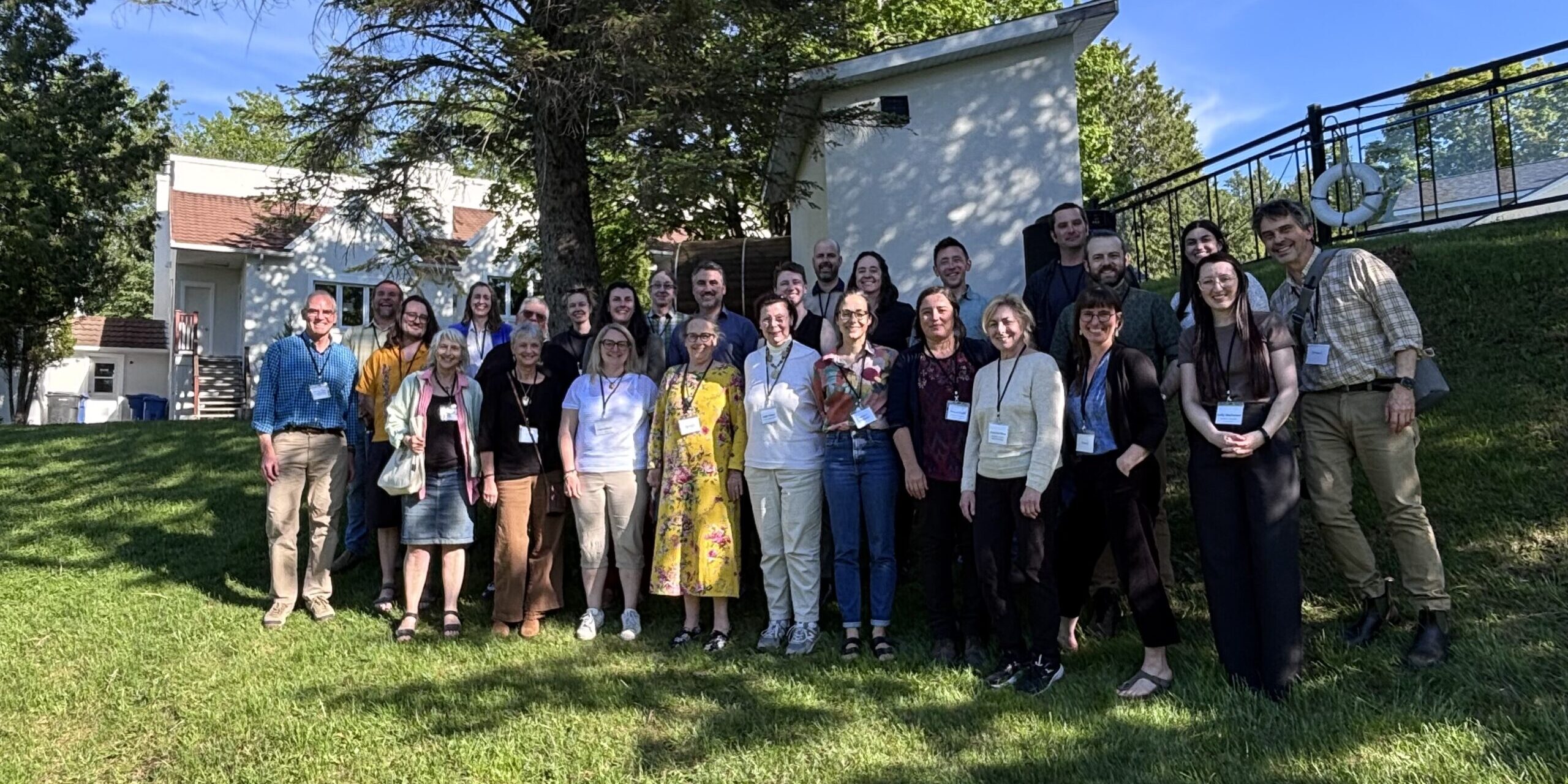
On 3 and 4 June, we had the opportunity to take part in a cross-border meeting bringing together approximately thirty conservation stakeholders from Quebec and Vermont, united by a common goal: to advance the conservation and restoration of ecological connectivity in the Northern Green Mountains region. The Massawippi Trust’s area of operation forms part of the Northern Green Mountains.
Organised in a spirit of collaboration and knowledge-sharing, this meeting brought together representatives from conservation organisations, government departments, universities and regional authorities. The aim was to gain a better understanding of how the various ongoing initiatives interrelate, to share knowledge gained in the field, and to develop a shared vision for the future of this important natural region.
But what is ecological connectivity?
In simple terms, ecological connectivity refers to the ability of species to move between different natural habitats. These movements are essential for meeting the needs of species: food, breeding partner, maintaining the genetic diversity of populations and ensuring the health of ecosystems. When habitats are fragmented by roads, development or other barriers, animal and plant populations can become isolated, making them more vulnerable in the long term.
Connectivity is also a key element in adapting to climate change. As environmental conditions change, many species must gradually shift their ranges. Functional ecological corridors then allow them to move to more favourable habitats and increase their chances of survival.
One of the most inspiring insights from this meeting is that biodiversity issues extend far beyond administrative boundaries. Wildlife, forests and watercourses do not stop at the border between Quebec and the United States. To be effective, conservation actions must therefore be planned on the scale of the entire natural landscape.
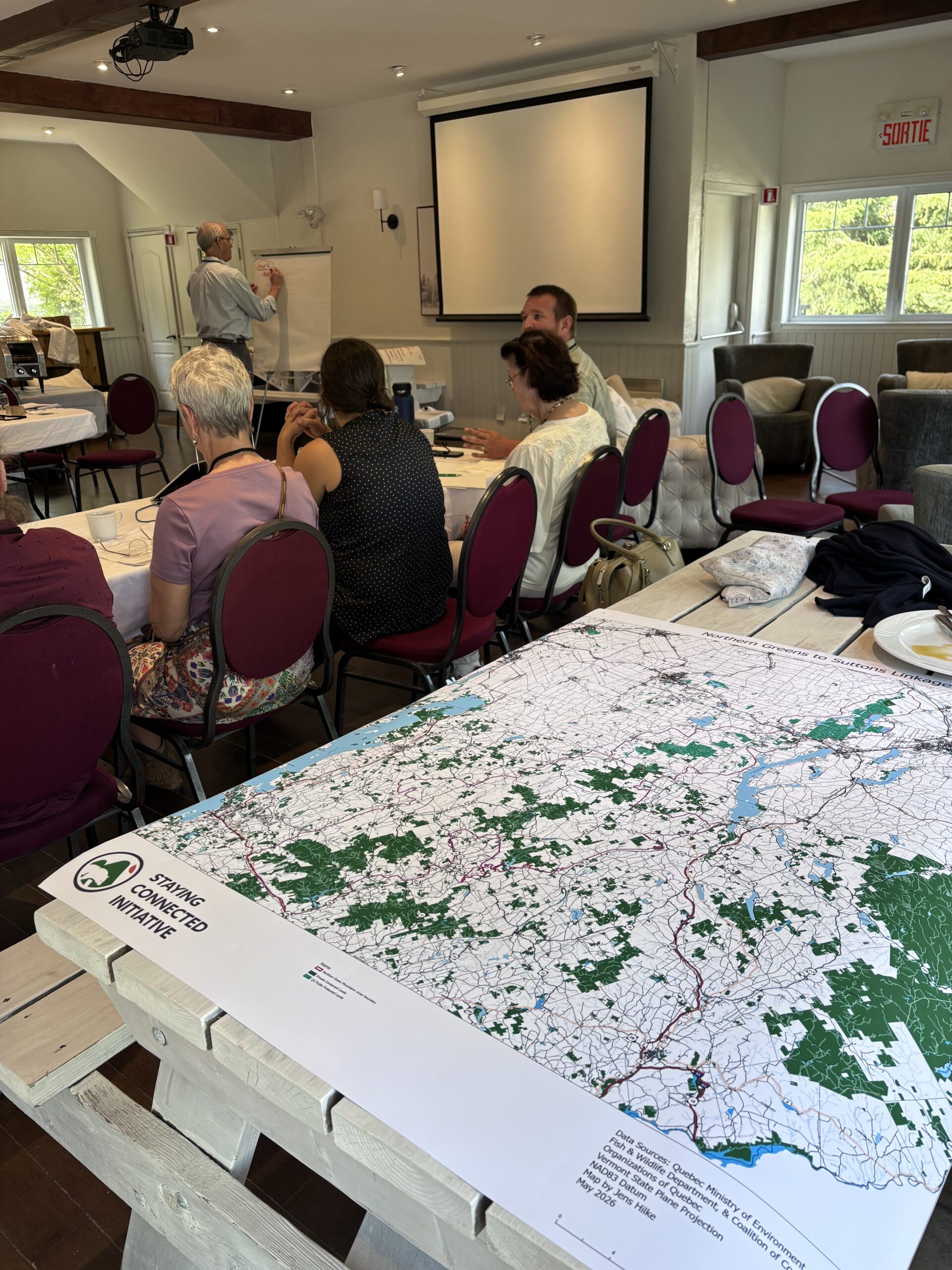
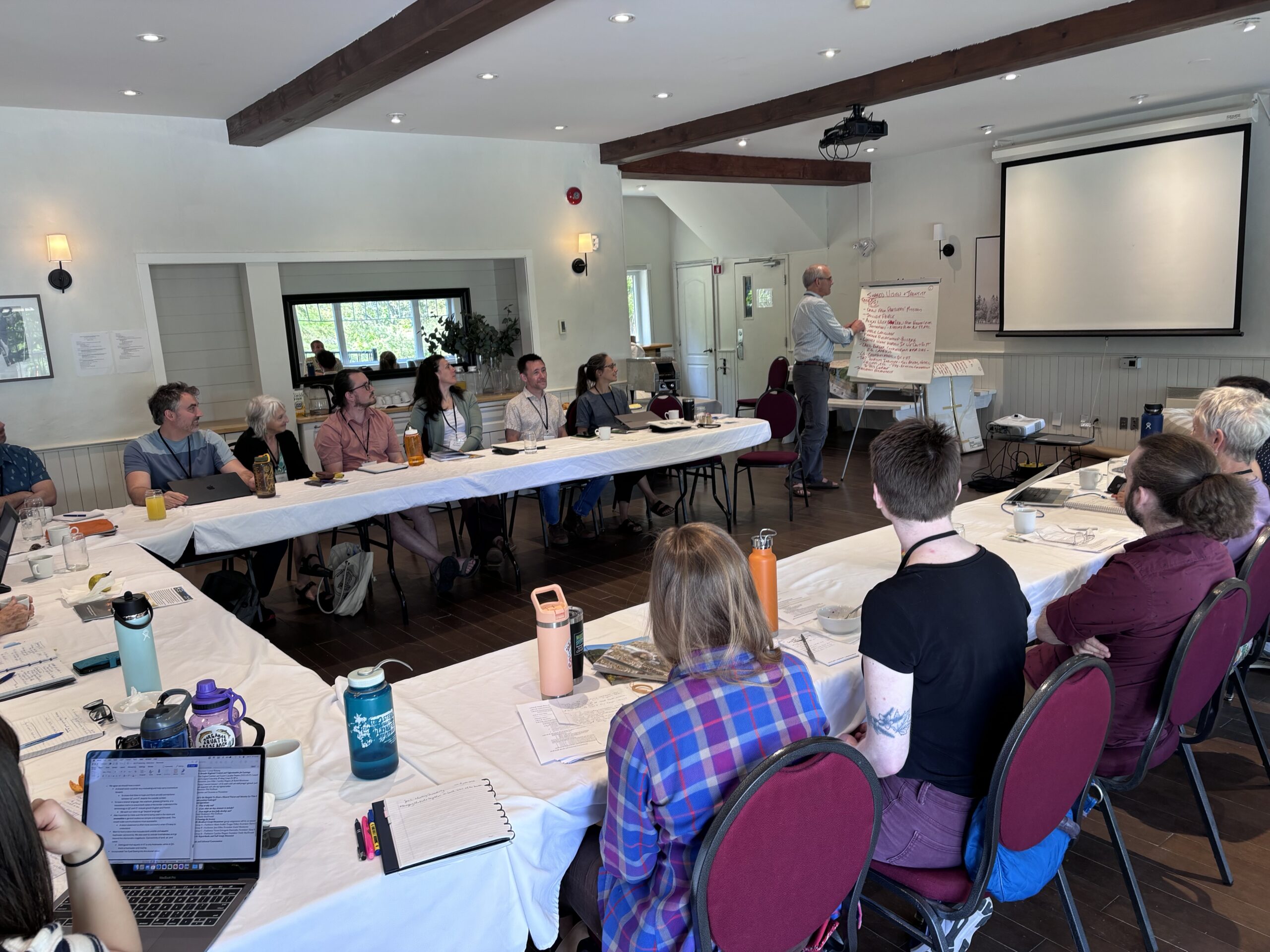
Over the course of the two days, participants presented their projects, approaches and achievements in the fields of conservation and connectivity. The discussions highlighted how initiatives carried out on both sides of the border complement one another, whether in terms of protecting natural habitats, land-use planning, reducing the barriers that hinder wildlife movement, scientific research or community engagement.
One theme emerged particularly strongly: the importance of developing a shared vision for this unique region and of strengthening the links between the many partners who are already contributing to its conservation.
This meeting reminds us that the actions we undertake locally are part of a much broader movement. Every protected habitat, every restoration project and every initiative aimed at maintaining or improving connectivity contributes to the ecological resilience of the Green Mountains as a whole.
Beyond the technical aspects, it was above all the quality of the partnerships and the willingness to work together that characterised this meeting. This collective effort demonstrates that by uniting our efforts around common goals, we can make a significant contribution to the preservation of this exceptional natural heritage and the conservation of biodiversity for future generations.